
Bulgaria
This hidden gem offers an authentic and uncrowded alternative to the more-visited countries of Europe.
As one of the oldest countries in Europe, history is around every corner, and that, combined with stunning natural beauty and genuinely friendly people should make Bulgaria your next 'must visit' destination.
Read More...Sofia
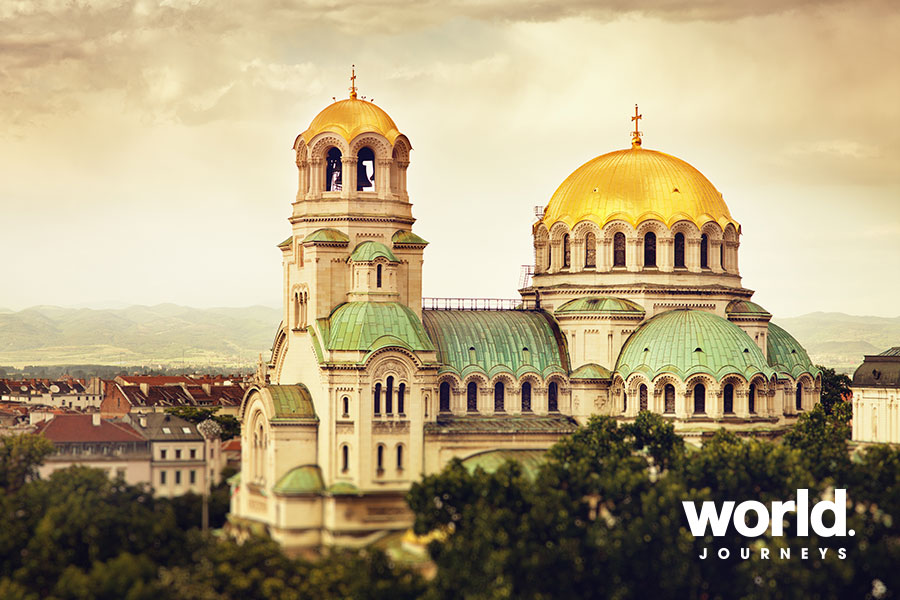
With cafes, museums and galleries galore, a highlight is the Aleksander Nevski Cathedral – a reminder of the role of the church in Bulgaria’s culture. A scenic drive into the mountains takes you to the Rila Monastery, a significant religious site known for its vibrant frescoes.
Plovdiv
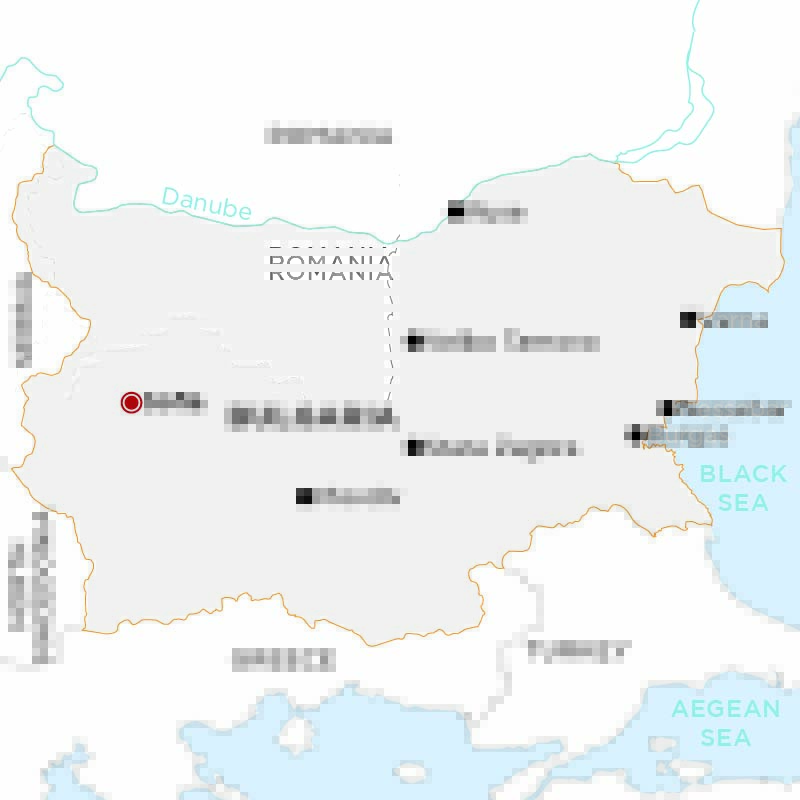
Bulgaria’s second largest city, on the Maritsa River, with one of the world’s best preserved Old Towns. One of Europe’s oldest cities, archaeological ruins here include a 6,000-seat Roman Amphitheatre.
Veliko Tarnovo
With the Tsarevets Fortress, a remnant of the Middle Ages, and other evidence of medieval and Roman heritage, Veliko Tarnovo is at Bulgaria’s cultural heart. 3km away is the village of Arbanasi, once a major centre of trade for traditional arts and crafts.
Nessebar
A UNESCO World Heritage site known as ‘the pearl of the Black Sea’, its charming Old Town offers cobbled streets and architecture reflecting its Greek, Roman and Byzantine history.
Shiroka Laka
This village is a proclaimed architectural and folkloric reserve, set in the beautiful Rhodope Mountains, known for its beautiful riverside houses.
We love Bulgaria in spring (April/May). You may catch a few showers, but it’s a very pleasant and less crowded time to explore the cities in particular. Summer (June/July/August) can get a little hot, but is a beautiful time to head for the mountains. Enjoy the colourful foliage of autumn (September/October), which is also a great time for local food and wine tasting. Winters (October to March) offer beautiful snow mountain scenery, and great skiing and snowboarding.
Bulgaria ended up being one of those places I booked without expectation and then I couldn’t stop reflecting on my time there. It’s the kind of place that grows on you without making a fuss – the longer you’re there, the more it pulls you in. Rather than showy, it’s refreshingly unpolished – it feels both charming and genuine.
Sofia is an easy city to like – it’s walkable, relaxed, and full of surprises. You’ll be passing modern shops next to Roman ruins and see Orthodox churches tucked behind tram lines. It has a very European café culture. Lots of small places spilling onto pavements, people lingering over coffee with no sense of being rushed. Sofia’s parks play a big role in daily life, they are properly used by families, students and office workers alike, giving the capital a laid-back rhythm that makes you slow down without even realising it.
Plovdiv was a highlight — colourful houses, winding streets, and views that make you stop just so you can take it in. There’s a real sense of history, but it doesn’t feel dusty or preserved behind glass. People live in it, which somehow makes it more special.
The food was simple, comforting, and very hard to stop eating. Fresh bread, salads piled high with cheese and pastries that disappear far too quickly. Add a glass of local wine and you’re set.
By the end, Bulgaria felt familiar in the best way. Not flashy or pretentious — just welcoming, interesting, and easy to like. Definitely one of those places I’d happily go back to without needing a long list of reasons.
Sue Hague, Operations Manager
Currency The unit of currency is the Euro. While credit cards are widely accepted, especially in cities, it is advisable to carry Euro cash for smaller shops and markets if visiting rural areas.
Language The official language is Bulgarian, with minority languages including Russian and Turkish. English is spoken widely in hotels, cafes and restaurants, and among younger people in particular, as it is now the primary second language taught in schools. A few Bulgarian greetings will get you far, particularly in smaller towns and regions.
Why we love it While other parts of Europe struggle with overtourism, Bulgaria is a hidden gem of culture, history and natural beauty, without the crowds. Authentic cultural experiences come naturally, displayed in traditional festivals, delicious regional cuisine and genuinely friendly people. Being one of the oldest countries in Europe, history is a given, with a fascinating array of architecture ranging from Roman to Ottoman, Medieval, Soviet and Modernism. Add to that uber-cool cities, Old Town charm, and stunning natural beauty. What’s not to love?
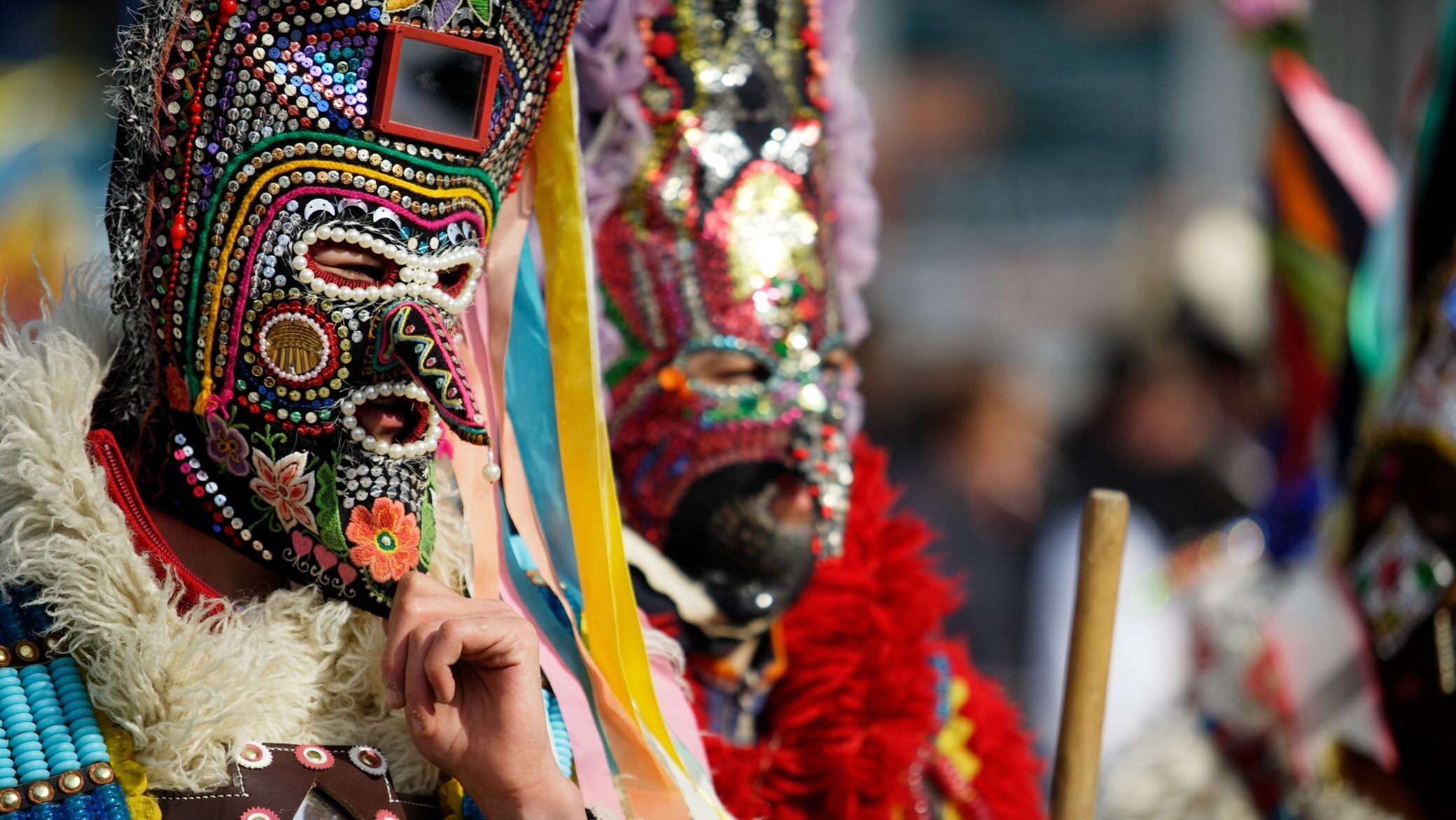
Festivals & events Bulgaria’s festivals, often involving traditional music and dancing, are a great way to access the country’s rich cultural heritage. Summertime brings the Rose Festival, celebrating Bulgaria’s famous rose oil; the Zheravna Festival of National Costumes; and the Cherry Festival is a delicious delight! In January the UNESCO-listed Surva Festival sees Kukeri (masked men) driving away event spirits. Music lovers can head for the open-air Bansko Jazz Festival in August, or the Sofia Wagner Festival in July. Easter is also a fantastic time to be in Bulgaria, with major religious events complemented by decorated eggs and traditional breads.
Health* As you would expect of a European country, no special immunizations or medications are necessary for travel to Bulgaria.
Notes *Please be aware that Health information is subject to change at any time and you should always double check these requirements at the time of booking and before travel.
Packages
Rail
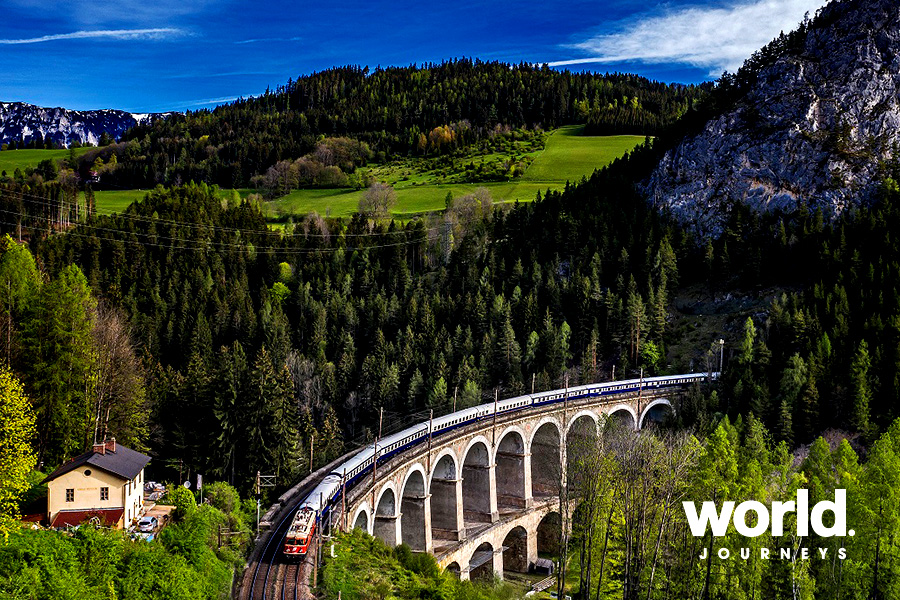
Danube Express - Balkan Explorer
12 Days / 11 Nights
Absorb the unique blend of culture, ancient tales and architectural...
Rail
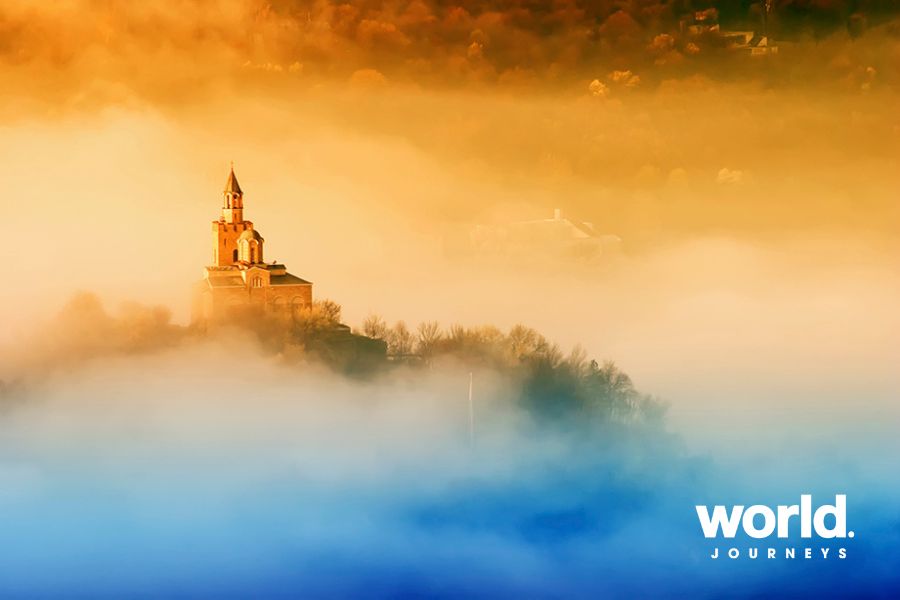
Danube Express - Castles of Transylvania
7 Days / 6 Nights
Delve into the history surrounding Romania’s most infamous historical figure,...