

Malawi
Malawi is a landlocked country, known for its diverse landscapes, laid-back fishing villages and wildlife-rich national parks.
Enjoy varied safari experiences and discover the genuine warmth and openness of the local people, their traditions and vibrant culture. Combine this destination with East African itineraries or iconic experiences such as Victoria Falls, bordering Zambia and Zimbabwe.
Read More...Lilongwe
The capital is formed by a mix of traditional and modern districts. Find popular Old Town market, museums and close by nature reserves and parks.
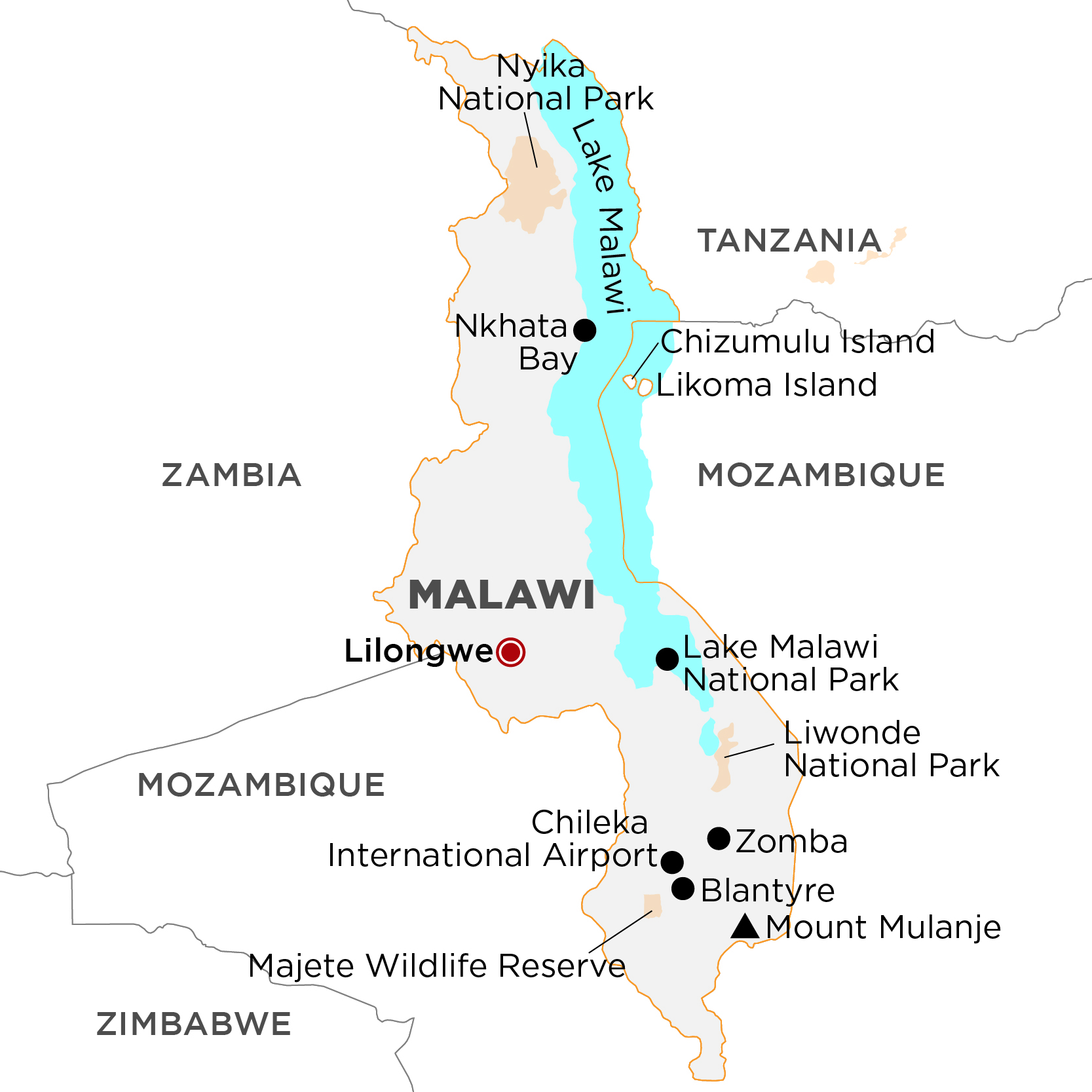
Majete Wildlife Reserve
As a result of conservation efforts this region has been transformed into a thriving reserve. Expect uncrowded game drives, opportunity to see the “Big 5”, guided walking safaris to track rhinos, and a diverse landscape of riverine forest and open plains.
Liwonde National Park
Home to the Shire River, where large concentrations of elephant, hippo and crocodile gather. Small boat safaris are a standout experience, offering a unique perspective alongside traditional game drives and walking safaris.
Lake Malawi National Park
A UNESCO World Heritage Site, this section of Lake Malawi is known for its pristine waters and extraordinary diversity of sea wildlife. Ideal for snorkelling, kayaking and relaxed beach stays, it offers a striking contrast to inland safari experiences.
Mount Mulanje
Rising dramatically from the surrounding plains, Mount Mulanje is Central Africa’s highest peak. Its forested slopes, waterfalls beautiful scenery provide excellent hiking opportunities.
Malawi is a year-round destination with subtropical climate. Meaning cooler conditions in the evenings during the dry season (May-October) and higher humidity during the green season (November – April).
Malawi lives up to its billing as the “Warm Heart of Africa” and, in addition to genuine hospitality and breathtaking landscapes, can now offer immersive wildlife encounters due to its 20+ year partnership with NGO African Parks. Long-term management agreements and rewilding have rehabilitated many of its national parks and it is now widely considered a global conservation success story.
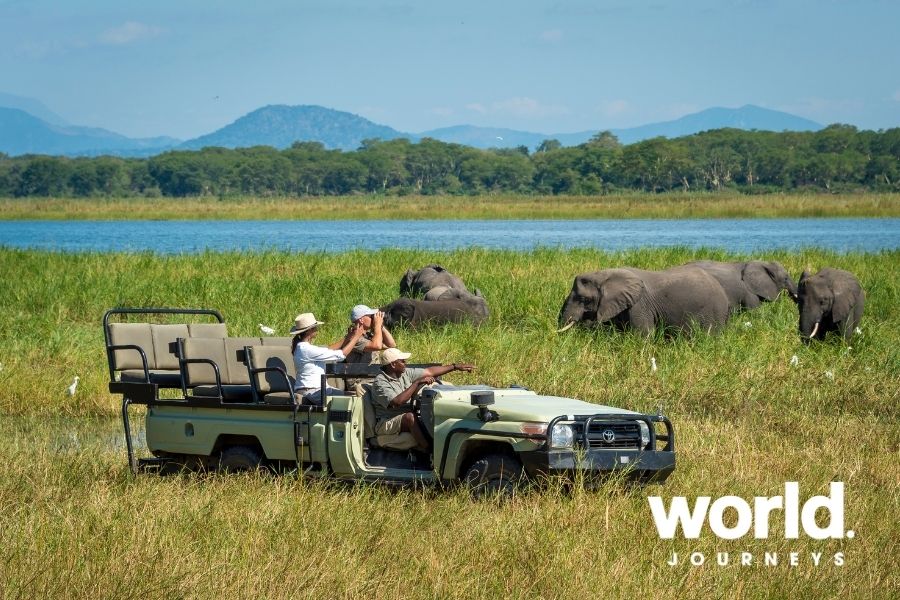
One of the highlights of my visit to Malawi was Majete Wildlife Reserve which has been a pioneer for large-scale wildlife reintroductions with over 3,000 animals belonging to 17 species reintroduced over 20 years. Today it is Malawi’s only “Big 5” reserve and is also home to giraffe, African wild dog and cheetah as well as numerous antelope species and over 300 bird species.
Another ‘must do’ is Liwonde National Park which is a thriving sanctuary for black rhino and predators such as leopard, lion and cheetah. Located on the Shire River it also offers incredible boat safaris to see hippo, crocodile and large elephant herds.
I finished my trip at Lake Malawi, a UNESCO World Heritage site whose crystal-clear waters are home to hundreds of endemic and colourful cichlid fish species. Snorkelling and kayaking were the ideal way to relax and wind down from the amazing safari experience.
Unlike more visited destinations in Africa, Malawi offers a slower pace of travel and the opportunity for visitors to support a country which has taken huge strides in conservation since the turn of the century.
Tony O’Callaghan, Travel Designer
Currency
The local currency is the Malawian Kwacha (MWK). US dollars are widely accepted at lodges and camps, but local currency is preferred.
Language
English is the official language and is widely spoken. Chichewa is the national language and commonly used in daily life.
Weather
Malawi has a subtropical climate. Expect warm temperatures year-round, with cooler conditions in the evenings during the dry season and higher humidity during the green season.
Festivals & culture
Local culture is rich in music, dance and storytelling. Traditional ceremonies and village visits offer meaningful insight into daily life, while lakeside communities maintain a strong connection to fishing traditions and dhow sailing.
Health*
There are no compulsory health requirements on entering Malawi, although malaria precautions are highly recommended, particularly during and after the rainy season and you should consult your health practitioner for the best advice on which precautions to take.
Note *Please be aware that Health information is subject to change at any time and you should always double check these requirements at the time of booking and before travel.

Need Help?
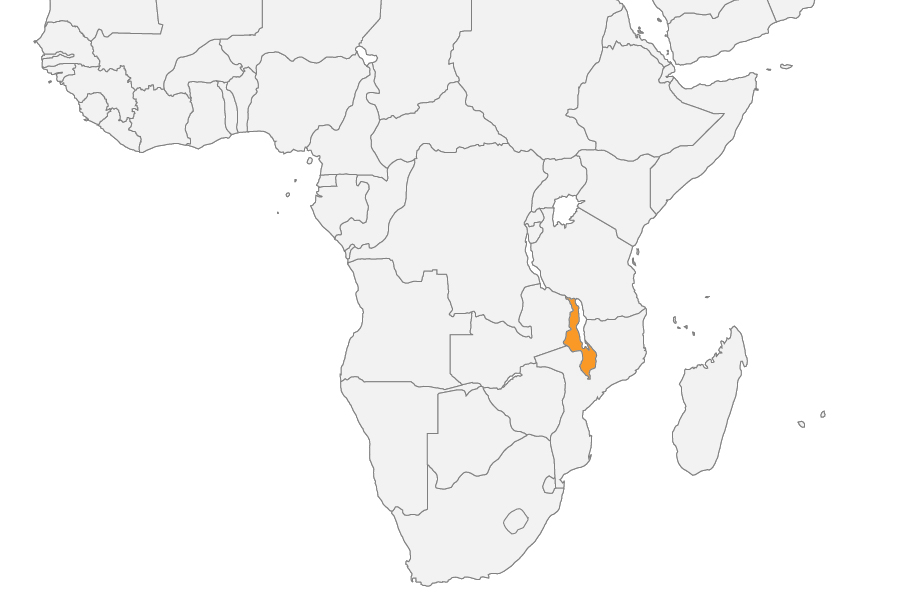
Where in the world?
More Africa
Related Blogs
Your 20 Need-To-Know South Africanisms for Safari
World Journeys
13 December 2016
If you're planning a trip to South Africa check out these 20 need-to-know South Africanisms for Safari. We hope you have a lekker time on…