

Estonia tailor-made tour
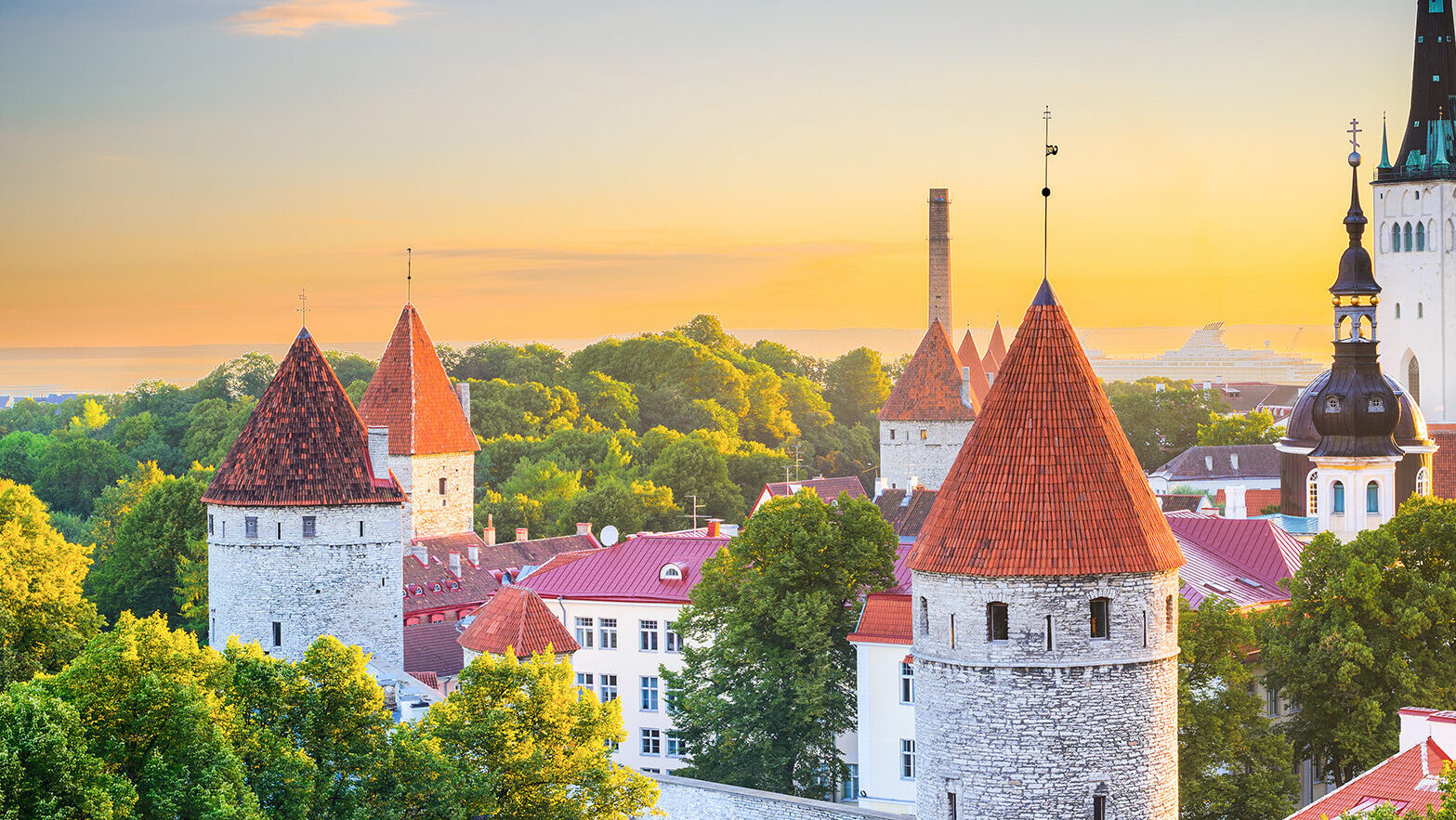
From the cobbled streets of Tallinn’s Old Town to the windswept coastlines of Saaremaa, Estonia is as rich in history as it is in natural beauty.
The country’s compact size makes it ideal for a journey full of variety — one day you might be wandering UNESCO-listed castles, and the next, kayaking in a tranquil national park.
Read More...Tallinn
The Estonian capital blends medieval charm and cutting-edge innovation, with a UNESCO-listed Old Town and vibrant cultural scene.
Tartu
This university city is brimming with creativity and a strong intellectual spirit. Also known for its stunning landscapes and cultural events.
Pärnu
Known as Estonia’s summer capital and spa haven, this seaside town offers sandy beaches, historic architecture, and relaxing experiences.
Narva
Set on the Russian border, Narva showcases a unique fusion of cultures, with a striking riverside fortress and rich cross-border history.
Viljandi
A picturesque hilltop town with a strong folk music heritage, castle ruins, and a laid-back vibe. Its annual folk festival draws artists and visitors from around the world.
Soomaa National Park
Enjoy hikes and immerse yourself in the great outdoors. Here, sauna sessions can be paired with bog walks and even bog swimming for the truly brave.
Estonia is a year-round destination – we love the long days of summer as much as we do the magical winter nights. Between June and August temperatures are pleasant and days are longer. Perfect for sightseeing, island-hopping, and attending outdoor festivals. On the other hand, winter transforms the country into a snowy wonderland. A great time for Christmas markets, traditional saunas and even spotting the northern lights in remote areas.
Language
The official language is Estonian, but English is widely spoken. Russian is also commonly heard, particularly in the east.
Currency
Estonia uses the Euro (EUR €). Credit cards are accepted nearly everywhere, and contactless payments are the norm—even in small towns.
Weather & Seasons
Spring (March–May): Gradual warming, blooming forests, and fewer tourists.
Summer (June–August): Mild temperatures (average 20–25°C), long days with nearly 19 hours of daylight, and vibrant local festivals.
Autumn (September–November): Crisp air, colourful foliage, and a peaceful atmosphere.
Winter (December–February): Cold (often below freezing), with snow, ice roads to islands, and cosy indoor traditions like mulled wine and wood-fired saunas.
Social customs and quirks
Estonians are known for being quiet and reserved, but they also possess a dry wit, strong pride in their cultural heritage, and a deep connection to nature and community traditions.
Festivals and events
Jaanipäev (June): A popular national holidays, rooted in ancient pagan solstice traditions. Expect bonfires are lit across the countryside, people stay up all night, and folk music, dancing, and grilling are often seen.
Tallinn Old Town Days (late May / early June): A vibrant celebration of medieval history, music, arts and crafts, held in the cobbled streets of Tallinn’s UNESCO-listed Old Town.
Seto Kingdom Day (August): Celebrated by the Seto people, an ethnic minority with their own language and customs.
Health* requirements to enter Estonia
There are currently no health requirements for entering Estonia.
Notes: *Please be aware that health information is subject to change at any time and you should always double check these requirements at the time of booking and before travelling.

Need Help?
Where in the world?


More Europe
Related Blogs
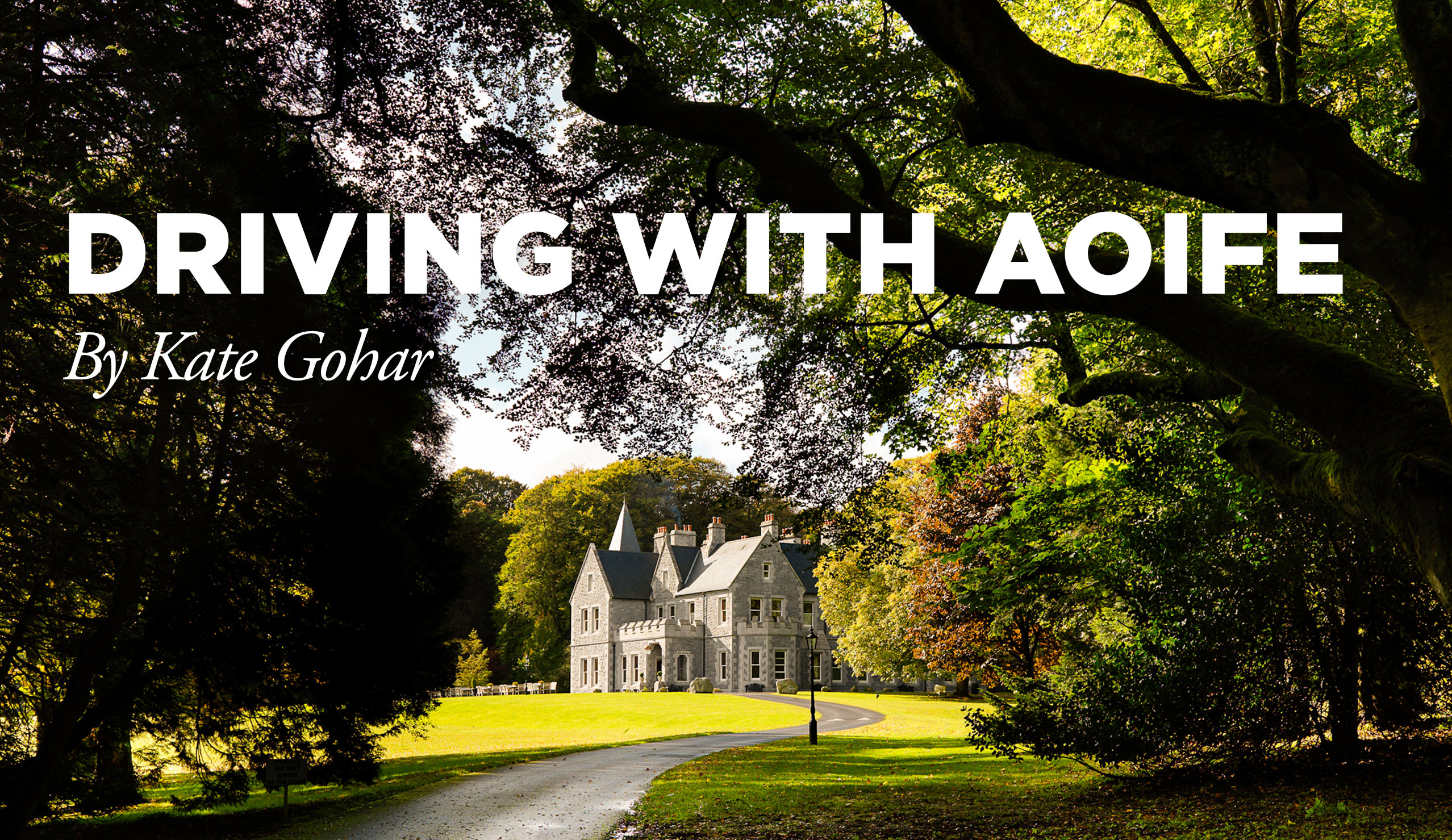
Driving with Aoife
Kate Gohar
14 December 2016
As a Kiwi visiting Ireland a couple of weeks after an historic All Black defeat, I was prepared for a bit of ribbing. That happened.…