
South Korea has a way of surprising you. Only recently did the country enter my radar, with spicy cuisine, baked treats and the fascinating story of the haenyeo (women divers) at the top of my list of experiences.
My journey started with an overnight in Seoul and a short domestic flight to Jeju Island. Travelling during the peak summer months (June – August) meant hot temperatures, rain after rain and plenty of fog on my first day, so the easy choice was to spend some time at one of the many museums near my hotel.
Fun fact: Jeju has more than 100 museums, from the Teddy Bear Museum to the Citrus Museum and Pop Culture Museum. Perfect way to spend a rainy day and battle with the jetlag.
The excitement built on my second day, when I had the opportunity to learn more about the island’s culture and visit some of its natural sights. This included a stop at a traditional village where people still live, offering an insight into everyday life and the island’s heritage, both before and after the Japanese occupation.
I also visited Micheon Caves, tunnels formed by lava, where temperatures stay at a welcome 14°C temperature underground. Followed by leisure time at the meticulously kept gardens. Next a drive along the coast took me to watch a haenyeo demonstration.
The Haenyeo
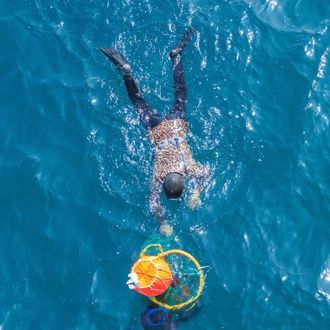
Literally meaning “sea women”, the haenyeo are one of Jeju’s most distinctive cultural traditions – they are considered a UNESCO Intangible Cultural Heritage tradition. These women divers dive for seafood without oxygen tanks, with experienced divers traditionally reaching considerable depths of 10–15 metres.
The demonstration offers a glimpse into their remarkable way of life, their challenges, their role in supporting their families, and their extraordinary endurance and knowledge of the sea. You can spend more time with the haenyeo, and sharing fresh seafood with them would allow for an even deeper experience.
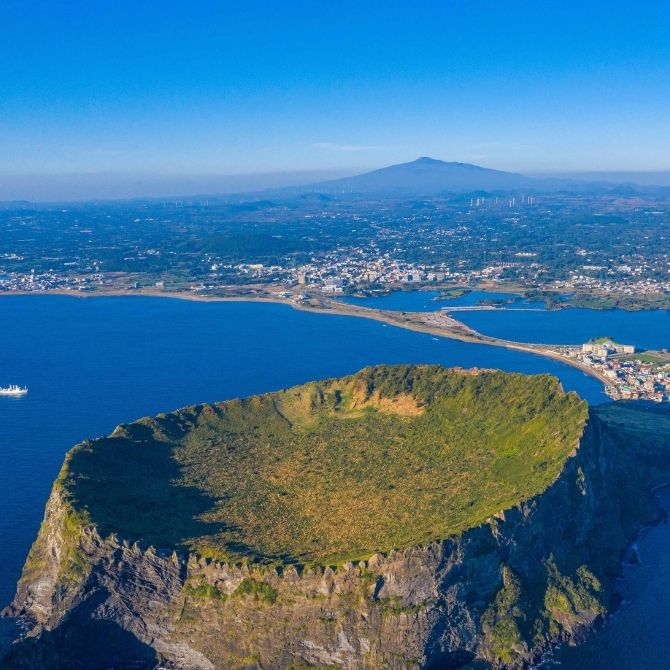
After a short performance and diving demonstration, I headed to Seongsan Ilchulbong mountain. The climb takes around 20–30 minutes, but the humidity, 25°C heat and steep stairs made it feel like a whole hour had passed. It was all worth it for the views across the island and towards the volcanic crater. And, of course, there was plenty of time afterwards to sample Jeju’s tangerine ice cream, fresh juice, milk bread and banana-flavoured milk.
A visit to Jeju was definitely a great way to ease into my journey through South Korea before travelling back to the mainland.
Busan: art, cafés and a fresh breeze
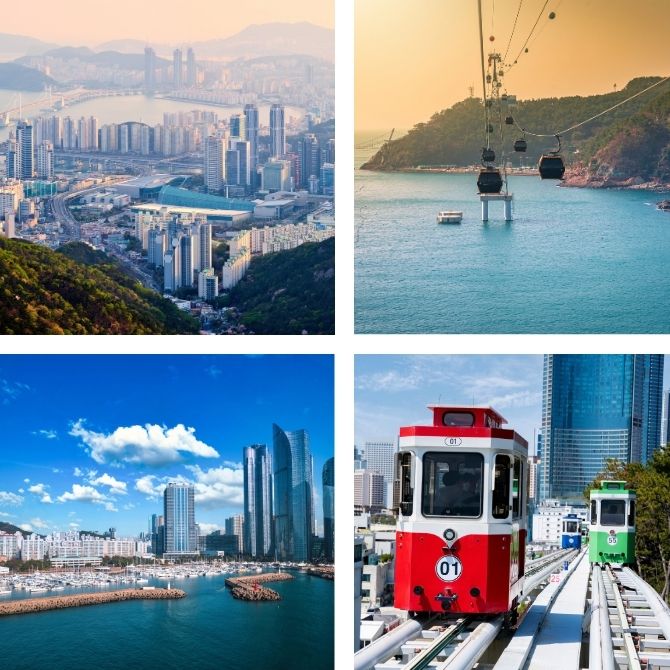
From volcanic landscapes to modern skyscrapers, cultural sites and vibrant beachside neighbourhoods, Busan offers plenty of contrasts.
My first impressions took me back to the familiar vibe of Rio de Janeiro, with a mix of seafood restaurants, alleyways that seem to climb the hills and a distinctly lively atmosphere – minus the tiny swimwear and vocal beach vendors!
I stayed at Songdo Bay, with easy access to the glass-bottom cable car to Songdo Sky Park. I recommend taking the gondola in the evening to admire the views and watch the colours of the sunset.
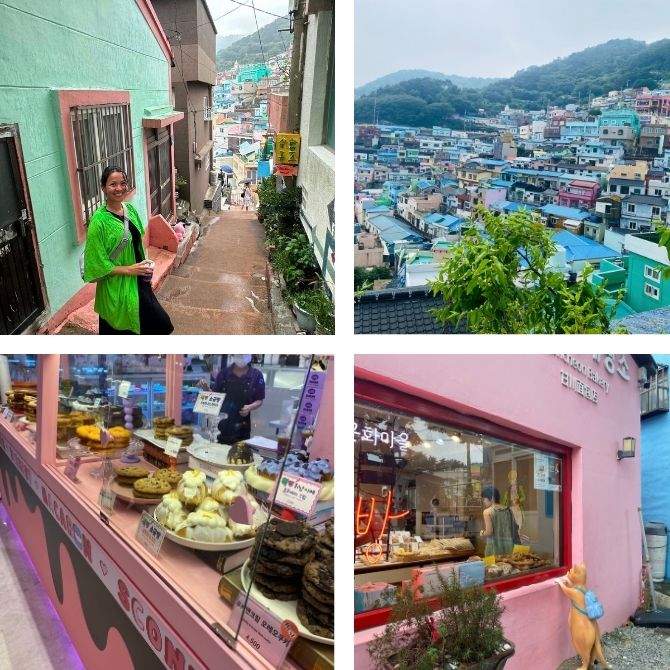
Gamcheon Culture Village
A stop at Gamcheon Culture Village is a must. Established as a settlement for working-class residents in the 1920s, the area later saw an influx of refugees escaping vulnerable locations near Seoul when the Korean War broke out. Living conditions were poor and infrastructure was limited.
It wasn’t until 2009 that the area underwent a major transformation, with cafés, cultural hubs and shops becoming part of the residential neighbourhood. The changes attracted tourists while helping reshape the story of this now-famous colourful village.
Today, it is an artsy, colourful neighbourhood of narrow streets, small shops, cafés and food outlets. You can easily spend half a day wandering around, exploring local galleries, meeting artisans and trying freshly baked pastries and some of the softest breads.
Gyeongju: slow down and stay in a hanok
After a few days soaking up Busan’s atmosphere, it was time to catch a high-speed train and dive into history – and a change of pace – in Gyeongju, also refer to as a “museum without walls”.
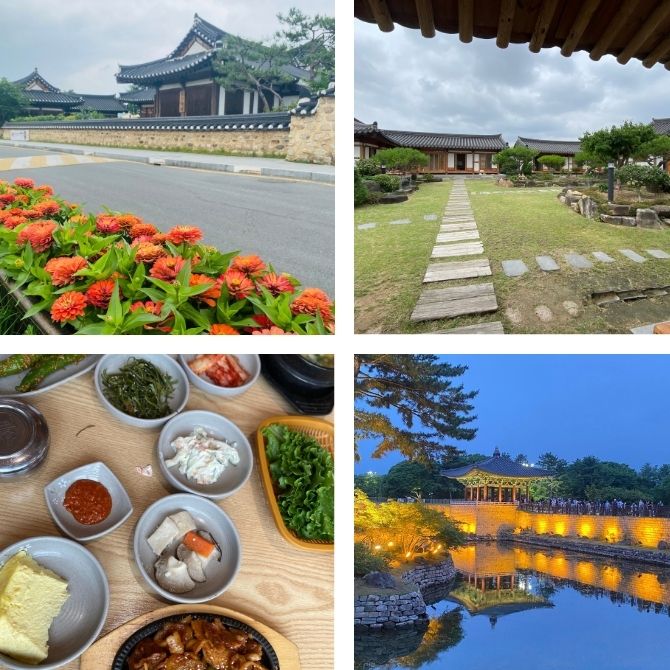
One of the experiences I would particularly recommend here is staying in a hanok, a traditional Korean house.
Our stay was cosy and peaceful, with traditional heated floors – thankfully not needed at this time of year – soft floor mattresses and blankets, a private bathroom and a light breakfast included. It was family-owned and centrally located, making it easy to explore independently.
Once the capital of the ancient Silla kingdom, the city is filled with traditional houses, temples and historic sites that bring its long history to life. One or two nights gives you time to explore on foot or by bicycle, browse quirky shops and restaurants, and visit ancient temples and surrounding areas.
Seoul: neo-lit buildings and history
Eventually, the journey brought me back to Seoul. After the quieter destinations earlier in the trip, Seoul felt energetic and expansive, but it was surprisingly easy to explore.
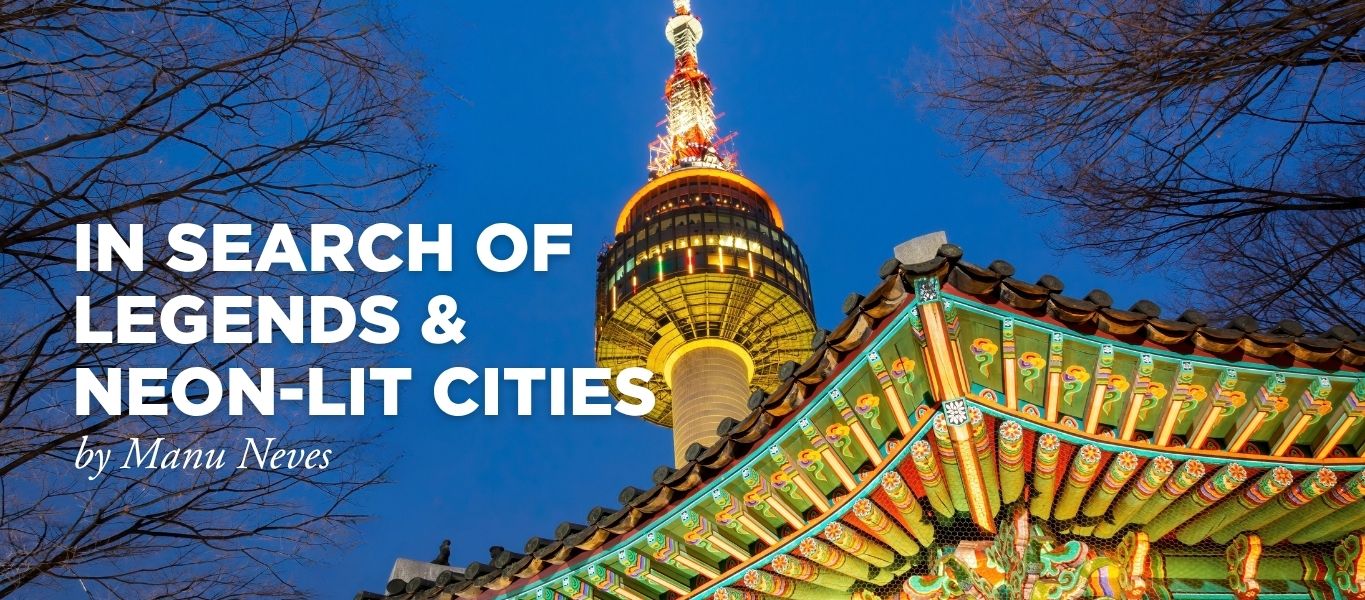
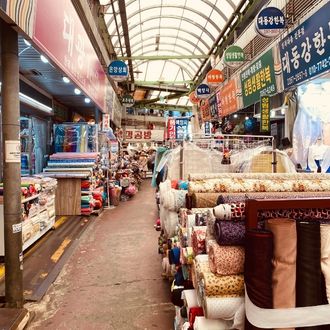
I chose to stay close to the gondola and tower, with easy access to the metro and one of the city’s many local markets.
There are cafés, shops, markets and restaurants seemingly everywhere, and the city offers a fascinating contrast between contemporary Korean life and its history.
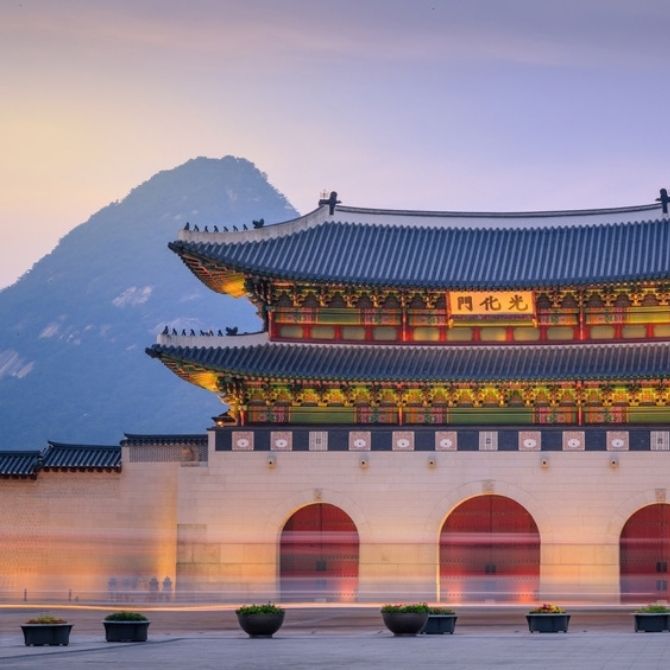
A visit to one of Seoul’s palaces is a great way to understand more about the country’s history, architecture and the influence of the Joseon Dynasty and Confucianism. Walk through brightly coloured houses, once home to the royal family, with high ceilings, intricate symbols and halls standing tall on solid wooden pillars. Parts of the palace endured fires, wars and family disputes and now serve as a portal to the past and its complex history.
Combine a cultural visit with a day tour to the Demilitarised Zone (DMZ) – a strangely calm and heavily secured area dividing two very different Koreas. During my guided visit, we heard the personal story of a woman who escaped North Korea, travelling towards the Chinese border before continuing through Vietnam and finally reaching South Korea. The journey took her more than three years, leaving family behind in the hope of a different future – I highly recommend the tour.
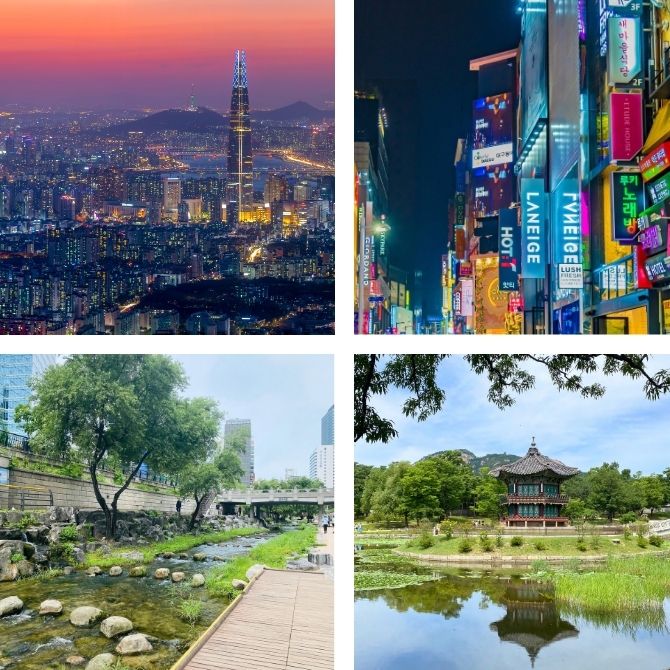
There’s so much to do in Seoul, including a thrilling indoor rollercoaster near Lotte Tower, the tallest building in the country. You can also visit a completely different neighbourhood, where the focus shifts to trendy streets, independent cafés, restaurants and shops, where you can simply wander without a particular destination in mind.
WHAT YOU NEED TO KNOW:
South Korea is relatively easy to navigate, but a few small things can make the journey smoother.
Getting around: Public transport is extensive, while buses and taxis are useful for shorter journeys. Naver is the local equivalent of Google Maps and is particularly useful for getting around.
Payment: Most places accept cash, but contactless payment is not universal, so carrying a physical card is a sensible back-up.
Language: A few Korean words go a long way. Younger Koreans generally speak good English, but knowing a simple “annyeonghaseyo” (hello) and “gamsahamnida” (thank you) is always appreciated.
- Ready to explore South Korea? See a similar itinerary on our website: Korean Explorer: Seoul to Jeju & Beyond
- Or read our latest guide about South Korea for inspiration and useful tips